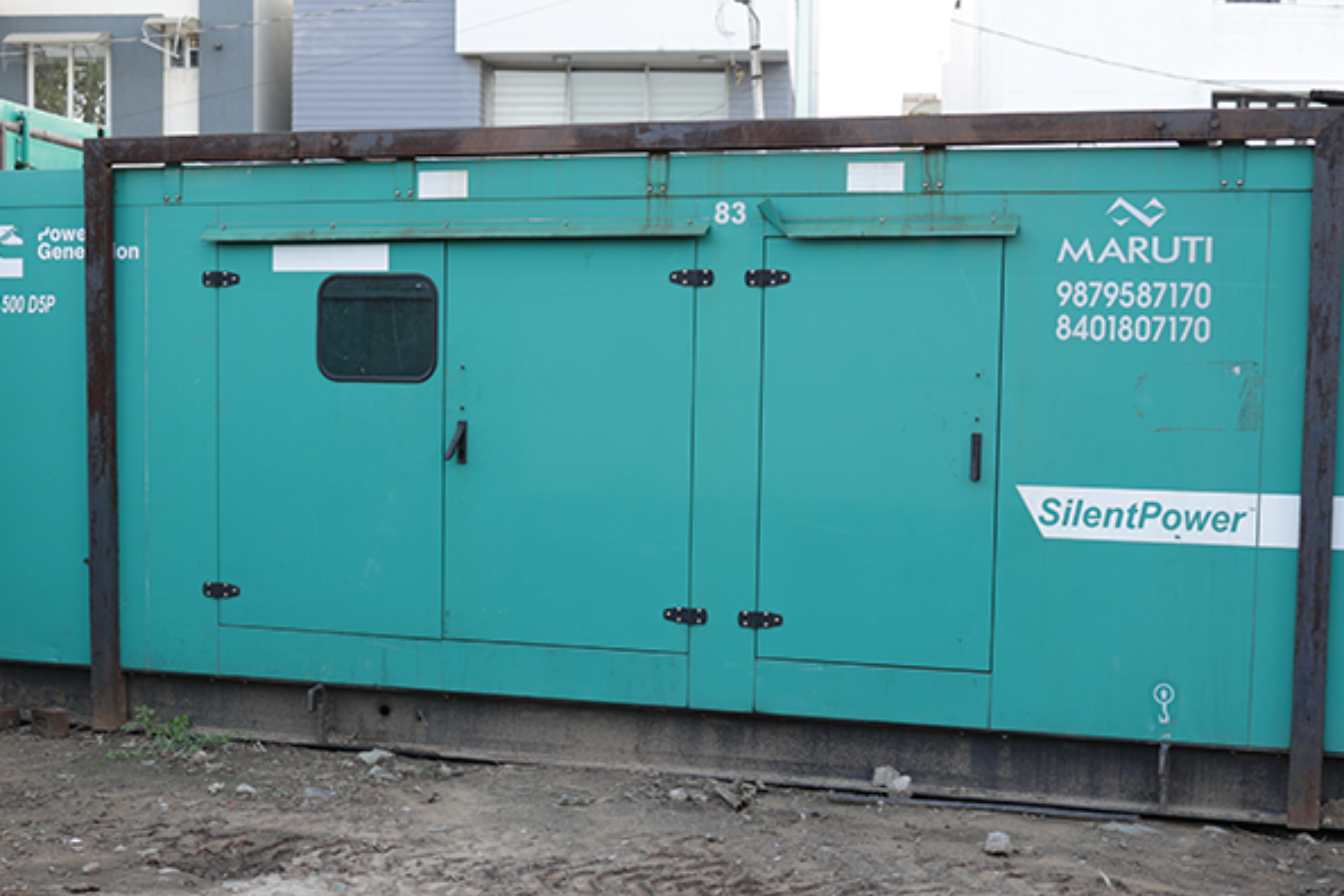
Power interruptions can bring business operations to a standstill, especially in industries where continuous electricity is essential. Whether you’re managing a manufacturing plant, construction site, hospital, commercial facility, or organising a large-scale event, having a dependable power backup solution is crucial.
One of the biggest decisions businesses face is generator rental vs buying. While purchasing a diesel generator may seem like a long-term investment, renting often provides greater flexibility, lower upfront costs, and hassle-free operation.
In this guide, we’ll compare both options to help businesses across Gujarat determine which solution best suits their operational and financial needs.
Why Every Business Needs Reliable Power Backup
Unexpected power outages can lead to production delays, financial losses, equipment damage, and dissatisfied customers. For industries operating around the clock, even a few minutes of downtime can have significant consequences.
Choosing the right generator solution isn’t just about having backup power—it’s about balancing reliability, cost, and operational efficiency.
Generator Rental vs Buying: A Quick Comparison
|
Factor |
Generator Rental |
Buying a Generator |
|
Initial Investment |
Low |
High capital investment |
|
Maintenance |
Included by rental provider |
Owner is responsible |
|
Flexibility |
Easy to upgrade or change capacity |
Fixed capacity |
|
Emergency Availability |
Quick deployment |
Must already own suitable equipment |
|
Long-Term Ownership |
No |
Yes |
|
Depreciation |
None |
Equipment loses value over time |
|
Technical Support |
Usually included |
Additional maintenance costs |
For many businesses, the decision comes down to how frequently the generator will be used and how much operational flexibility is required.
When Renting a Generator Makes More Sense
Lower Upfront Costs
Purchasing a diesel generator requires a significant capital investment. Beyond the equipment itself, businesses also need to budget for installation, transportation, fuel systems, maintenance, and repairs.
Generator rental eliminates these upfront expenses, allowing businesses to preserve cash flow while still securing reliable power when needed.
This makes rentals particularly attractive for:
- Construction projects
- Seasonal businesses
- Infrastructure projects
- Temporary industrial operations
- Corporate events
- Emergency backup requirements
Greater Flexibility
Business needs change over time.
A construction company may require a 125 KVA generator for one project and a 500 KVA unit for another. Buying locks businesses into a fixed capacity, while rentals allow organisations to select the right generator for every project.
This flexibility prevents businesses from overpaying for oversized equipment or struggling with insufficient power.
Maintenance Is Handled for You
Owning a generator means taking responsibility for:
- Routine servicing
- Engine inspections
- Oil changes
- Parts replacement
- Emergency repairs
- Compliance checks
These ongoing costs can quickly add up.
With a professional rental provider, maintenance is typically included, reducing downtime and ensuring the equipment remains in optimal working condition throughout the rental period.
Ideal for Emergency Situations
Unexpected outages rarely provide enough warning to purchase and install new equipment.
Generator rental providers can often deliver and install units quickly, helping businesses restore operations with minimal disruption.
For industries where downtime directly affects productivity or safety, rapid deployment can make a significant difference.
When Buying a Generator May Be the Better Option
Although renting offers numerous advantages, purchasing can be suitable for certain businesses.
Buying may be worth considering if:
- Your facility requires continuous generator use year-round.
- You have dedicated maintenance staff.
- Long-term ownership aligns with your financial strategy.
- Your power requirements remain consistent over many years.
For businesses operating permanent facilities with predictable backup power needs, ownership may eventually deliver long-term value.
However, it’s important to account for depreciation, servicing costs, storage, insurance, and future replacement expenses before making a purchase decision.
Hidden Costs of Buying a Generator
Many businesses focus only on the purchase price, overlooking additional ownership costs such as:
Installation
Professional installation, electrical integration, and site preparation can significantly increase the total investment.
Regular Maintenance
Preventive servicing is essential to ensure reliable performance and meet manufacturer requirements.
Repairs
As generators age, repair costs can become increasingly expensive.
Fuel Management
Owners are responsible for fuel storage, monitoring, and quality management.
Equipment Depreciation
Like most industrial machinery, generators lose value over time, reducing resale potential.
When these costs are included, renting often proves to be the more cost-effective option for short-term or variable power requirements.
Which Industries Benefit Most from Generator Rental?
Businesses across Gujarat rely on rental generators for a wide range of applications, including:
Construction Projects
Temporary worksites require dependable power without investing in permanent equipment.
Manufacturing Facilities
Production lines can continue operating during scheduled maintenance or unexpected outages.
Hospitals and Healthcare
Reliable backup power helps support essential medical equipment and critical services.
Corporate Offices
Rental generators help minimise business interruptions during power failures.
Weddings and Events
Temporary venues need uninterrupted electricity for lighting, catering, entertainment, and sound systems.
Infrastructure Projects
Roadworks, utilities, and public infrastructure developments often require scalable temporary power solutions.
Choosing the Right Generator Capacity
One of the advantages of renting is selecting the appropriate generator size for each project.
Professional rental providers typically offer a wide range of capacities, ensuring businesses only pay for the power they actually need.
For example:
- Small commercial operations
- Construction sites
- Manufacturing plants
- Large industrial facilities
- Major outdoor events
Having access to multiple generator capacities allows businesses to scale as project requirements evolve.
Why Businesses Across Gujarat Choose Generator Rental
Companies throughout Gujarat increasingly prefer rental solutions because they offer:
- Lower financial commitment
- Faster deployment
- No maintenance burden
- Flexible rental periods
- Scalable generator capacities
- Professional technical support
- Reduced operational risk
Instead of managing equipment ownership, businesses can focus on their core operations while experienced specialists handle the power solution.
Reliable Generator Rental Across Gujarat
For businesses seeking dependable temporary power, choosing an experienced rental provider makes all the difference.
Maruti Hiring provides diesel generator rental solutions across Vadodara and throughout Gujarat, offering generator capacities ranging from 10 KVA to 2000 KVA. In addition to generator hire, the company provides end-to-end support, including delivery, installation, fuel management, operator assistance, and maintenance, with 24/7 service availability to minimise downtime.
Whether you require emergency backup power, temporary electricity for a project, or long-term rental support, partnering with an experienced provider helps ensure uninterrupted business operations.
Conclusion
When comparing generator rental vs buying, there is no universal answer—it depends on your business requirements, budget, and operational priorities.
However, for many businesses in Gujarat, generator rental offers clear advantages: lower upfront costs, greater flexibility, professional maintenance, and rapid deployment when power is needed most.
If your organisation values reliability without the long-term commitment of ownership, renting a generator can be the smarter and more cost-effective solution.